

FOR Battery project owners, logistics providers, warehouse operators and installers
Separate new, used and damaged batteries
A battery shipment should be described by chemistry, configuration, condition and intended use. New modules, returned units and damaged batteries can present different handling and regulatory questions. PHMSA identifies lithium batteries as hazardous materials subject to applicable US transport requirements, including special concerns for damaged, defective or recalled units. Qualified shipping personnel must determine the exact classification and requirements.
For insurance, record the manufacturer, owner, carrier and warehouse custodian at every stage. A containerized system is not necessarily a single uncomplicated cargo item: modules, control equipment and accessories may move separately and accumulate at different locations before installation. Include returns and rejected deliveries in the movement plan.
A warehouse fire can exceed the shipment value
Review cargo and stock-throughput arrangements, warehouse legal liability and the owner’s property interest. A warehouse operator’s liability limit may not equal the total value stored, and a policy responding to the operator’s negligence is not the same as first-party protection for the owner’s goods. Identify maximum accumulations rather than relying on average inventory.
A battery event can damage unrelated goods, the building and neighboring property, with potential cleanup and interruption consequences. Examine fire, contamination, pollution and defective-product provisions in the actual policies. Distinguish accidental damage from recall expense, loss of market or a manufacturer’s replacement obligation; those losses require separate analysis and should not be presumed insured.
Delays can change both condition and coverage
Project postponement may extend storage beyond the original transit plan. Review location approvals, storage-duration provisions, security and monitoring responsibilities before the extension occurs. The technical storage plan should follow qualified guidance for the equipment and condition; insurance review does not establish safe charging or handling procedures.
If damage is suspected, preserve shipment records, condition reports and manufacturer communications. Returning a damaged battery is a new transport decision, not simply reversal of the original delivery. Confirm that the responsible parties reassess the shipment and insurance arrangements. The same packaging, carrier or coverage assumptions used for an undamaged outbound unit may not be appropriate for a damaged return.
Align the handoff to installation coverage
Provide shipment values, routes, consolidation points, warehouse details and the installation schedule. Clarify loading and unloading, temporary laydown, testing and the precise point at which construction or operational property insurance takes over. Avoid a gap when cargo coverage ends on delivery but installation coverage attaches only after a later event.
Review the financial consequence of a lost shipment separately from physical replacement cost. Delay protection, if arranged, may require an insured damage trigger and specific scheduled interests. A project owner should document the critical path and available replacement supply, while the logistics and storage providers identify their contractual responsibilities and notice obligations before accepting custody.
Operational exposures & coverage review
These review points are educational interpretation, not promises of insurance coverage.
| Exposure | Insurance review |
|---|---|
| Warehouse accumulation | Compare owner’s property protection with custodian liability. |
| Damaged batteries | Reassess transport classification and return arrangements. |
| Extended storage | Review duration, location and construction handoff conditions. |
Questions for your next review
- Are damaged returns distinguished from new shipments?
- What is the maximum value at each storage location?
- When does cargo protection transfer to installation or operational coverage?
Related Montridge webinars
BESS risk context; transport and pre-installation storage need separate terms.
Renewables and battery storage
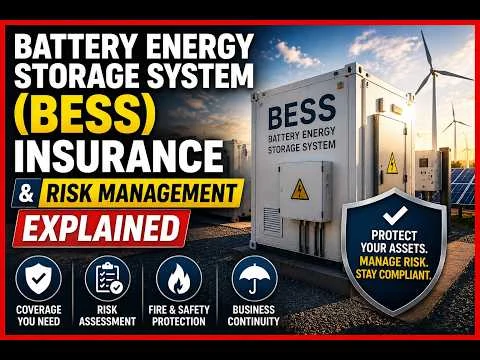
Battery Energy Storage System (BESS) Insurance & Risk Management Explained
Clicking Load video connects to YouTube. No player loads automatically.
Watch on YouTube ↗Connect this topic to your program
Bring the operational details above into a coordinated review of your contracts, loss history and actual policy wording. Explore Montridge energy logistics insurance services for the related brokerage service.
Source references
Primary-source background informs the technical discussion. Insurance review questions are educational interpretation; a source link does not establish coverage or certify compliance.
Lithium batteries in commerce are subject to applicable hazardous-material transport requirements; damaged batteries need special assessment.
Scope: United States; technical background and applicable federal framework · Source reviewed 2026-11-01
Waste classification and permitted management activities depend on battery condition and handling processes.
Scope: United States; technical background and applicable federal framework · Source reviewed 2026-11-01
Prepared November 1, 2026. Confirm current requirements and their application to your work before relying on them. Specific insurance outcomes require review of the complete policy and endorsements.