
FOR Fuel haulers, waste transporters, distributors, and logistics coordinators
Follow the material through its journey
Transportation pollution exposure begins before a truck leaves the gate and may continue after delivery. Identify collection, loading, temporary holding, transit, unloading, and return of residual material. Determine who owns the product or waste and who controls each stage.
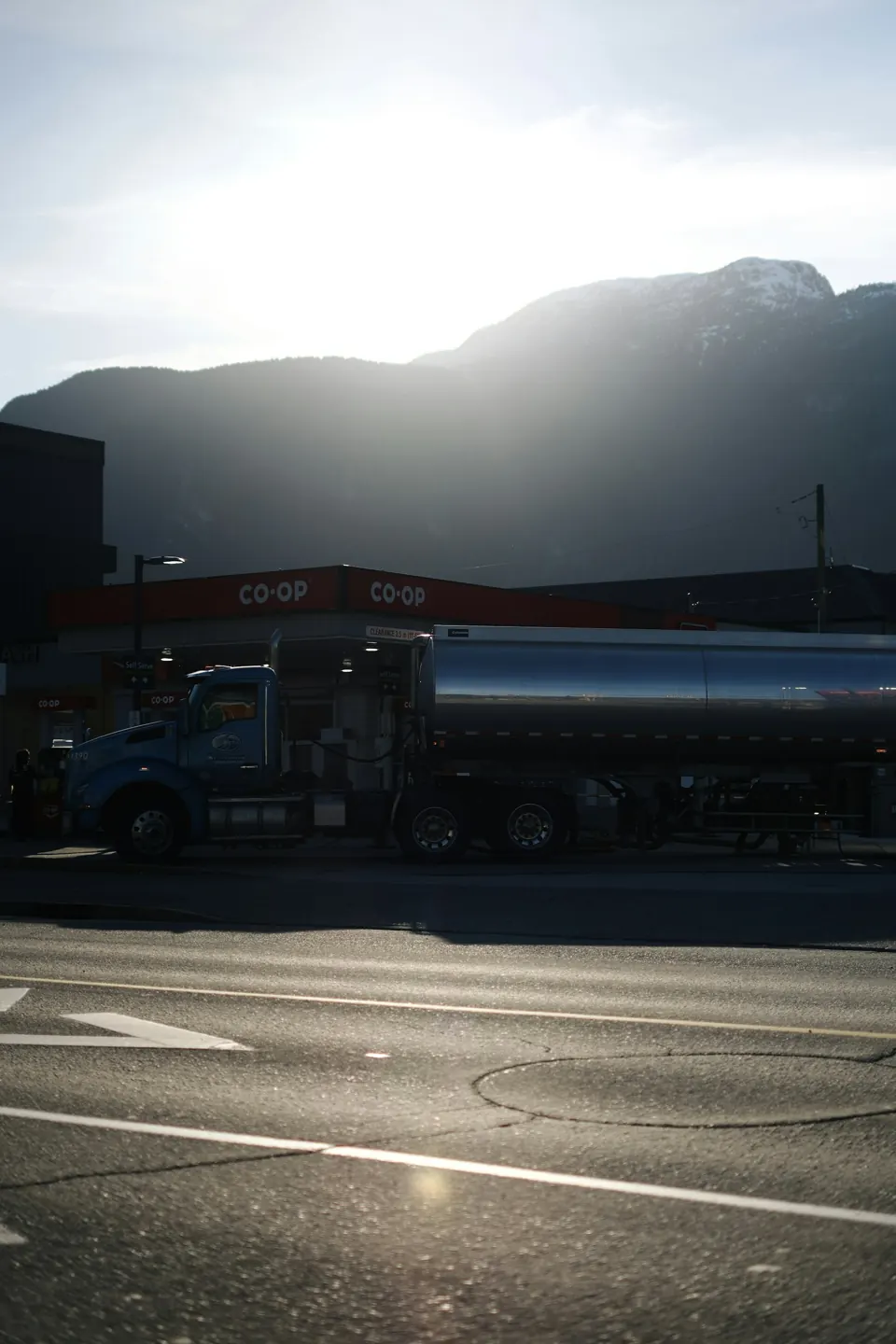
Describe tankers, containers, hoses, pumps, trailers, and transfer equipment. Include hired carriers and subcontracted movements. Fuel, produced water, drilling waste, chemicals, and recovered materials create different handling and cleanup questions. Use precise descriptions rather than broad statements that the business transports energy products.
Compare the relevant policies
Review auto liability, transportation pollution, contractors pollution, cargo, and site pollution arrangements together. Ask which policy is intended to address a release during travel, a hose failure at delivery, and contamination discovered after unloading. A release can involve several insureds and policy definitions.
Examine loading and unloading language, covered vehicles, commodities, territory, cleanup expense, emergency response, and third-party claims. Do not infer environmental coverage from a motor-carrier filing or a certificate. Financial responsibility obligations and the insurer’s contractual promise should be evaluated as related but distinct issues.
Clarify custody and contractual allocation
Shipper, broker, carrier, receiver, and disposal facility agreements can distribute responsibility in different ways. Review indemnity, cleanup standards, spill response, and responsibility for incorrect delivery or mischaracterized material. Counsel should assess the legal obligations; the insurance team should test the policy response.
Keep evidence of carrier selection, approved disposal facilities, and shipment documentation. For subcontracted transport, determine what insurance evidence is required and how it is verified. A subcontractor’s certificate does not eliminate the hiring party’s exposure or prove that every relevant operation is insured.
Prepare for a fast, documented response
Develop an accessible reporting process for drivers, dispatchers, and site personnel. Identify qualified response resources and instructions for emergency authorities, insurer contacts, and evidence preservation. Review who can authorize cleanup expense and how policy consent provisions work in urgent conditions.
Maintain incident photographs, transfer records, bills of lading or manifests, and relevant equipment inspection information. At renewal, update commodities, routes, volumes, and subcontracting practices. The insurance review should make the handoffs between transport and facility operations visible, because those transitions often contain the most important unresolved responsibilities.
Consider a misdelivery scenario separately from a collision or visible spill. Material placed in the wrong tank may damage product, interrupt operations, or require disposal without the same facts as an external release. Ask which definitions and exclusions would be relevant, and retain delivery verification procedures as part of the operational record supplied for review.
Questions for your next review
- Where does responsibility change during loading and delivery?
- Which policy addresses a release from hired-carrier operations?
- Are commodities, transfer equipment, and cleanup duties accurately disclosed?
Connect this topic to your program
Bring the operational details above into a coordinated review of your contracts, loss history and actual policy wording. Explore Montridge pollution liability insurance services for the related brokerage service.
Source references
Primary-source background informs the technical discussion. Insurance review questions are educational interpretation; a source link does not establish coverage or certify compliance.
Prepared November 1, 2026. Confirm current requirements and their application to your work before relying on them. Specific insurance outcomes require review of the complete policy and endorsements.