FOR Hydroblasting, vacuum, chemical-cleaning and plant-service contractors
Describe each cleaning method separately
Industrial cleaning can include high-pressure water jetting, vacuum recovery, chemical circulation and manual entry into tanks or process equipment. These methods should not be combined into a single low-detail service description. Identify operating pressures and equipment types for underwriting, the materials being removed, and whether cleaning occurs on isolated equipment or near continuing production.
The plant owner and service contractor should agree who identifies residual contents, isolates the system and authorizes entry or line opening. U.S. confined-space and hazardous-energy requirements have defined scopes and exceptions; qualified site personnel should determine the applicable controls. Insurance guidance cannot replace the cleaning procedure or the technical verification that equipment is ready for service.
Follow recovered material beyond the work area
A cleaning job can create a waste stream that differs from the original process material because chemicals, water and residues have mixed. Establish who characterizes that material, supplies containers, signs shipping documents and selects the receiving facility. A vacuum truck may operate as cleaning equipment at one point and as a vehicle transporting collected material at another.
Review contractors pollution liability, transportation pollution and any disposal-site provisions together. Ask whether owned yards, temporary storage and subcontracted haulers are addressed. General liability and automobile policies should be examined for pollution restrictions and loading or unloading issues. A disposal receipt is useful evidence, but it does not itself prove that every environmental obligation has transferred.
Separate cleaning damage from pollution loss
An illustrative incident involves a cleaning nozzle damaging exchanger tubes, followed by leakage when the unit restarts. The contractor may face demands for repairs, repeated cleaning, contaminated product and extended outage costs. Another incident may involve a hose failure that releases contaminated liquid without damaging the equipment being cleaned. These are different coverage analyses.
Review exclusions affecting the part of property being worked on, customer property in care, faulty work and professional recommendations about cleaning chemistry. Determine whether the owner’s property program has relevant conditions for contractor work. Contractual promises to restore specified performance or pay all downtime should be evaluated separately from liability that would exist without those promises.
Build evidence before the equipment is returned
A useful submission includes method statements, equipment schedules, waste-handling arrangements, crew qualifications, subcontractor controls and representative customer contracts. Identify confined-space, offshore, nuclear or highly hazardous chemical work explicitly where applicable. Maximum job values alone may say little about the value of the surrounding plant or the potential outage.
Retain pre-cleaning condition records, deviations, waste samples where appropriate, completion inspections and restart acceptance. Agree on immediate reporting when unexpected residue, equipment damage or an uncontrolled release appears. Keeping the technical facts intact helps the insurance team evaluate the event without converting a preliminary field explanation into an admission of responsibility.
Operational exposures & coverage review
These review points are educational interpretation, not promises of insurance coverage.
| Exposure | Insurance review |
|---|---|
| Cleaning equipment damage | Review property-being-worked-on provisions. |
| Recovered waste | Map characterization, custody and disposal. |
| Vacuum truck operations | Coordinate auto and pollution protection. |
Questions for your next review
- Who determines the waste classification?
- Are cleaning chemistry recommendations a professional service?
- What proves the equipment’s condition before and after cleaning?
Related Montridge webinars
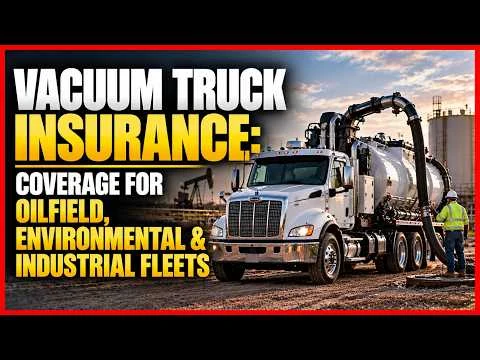
Vacuum-truck insurance context for industrial cleaning and waste movements.
Pollution and environmental risk
Vacuum Truck Insurance: Coverage for Oilfield, Environmental & Industrial Fleets
Clicking Load video connects to YouTube. No player loads automatically.
Watch on YouTube ↗Connect this topic to your program
Bring the operational details above into a coordinated review of your contracts, loss history and actual policy wording. Explore Montridge environmental contractor insurance services for the related brokerage service.
Source references
Primary-source background informs the technical discussion. Insurance review questions are educational interpretation; a source link does not establish coverage or certify compliance.
Federal general-industry confined-space standard has a defined scope and separate treatment from construction and shipyards.
Scope: United States federal guidance · Source reviewed 2026-11-01
Federal hazardous-energy standard addresses specified servicing and maintenance activities and states exclusions from its scope.
Scope: United States federal guidance · Source reviewed 2026-11-01
Prepared November 1, 2026. Confirm current requirements and their application to your work before relying on them. Specific insurance outcomes require review of the complete policy and endorsements.