FOR Scaffold contractors, refinery operators and turnaround coordinators
Define the access system and its users
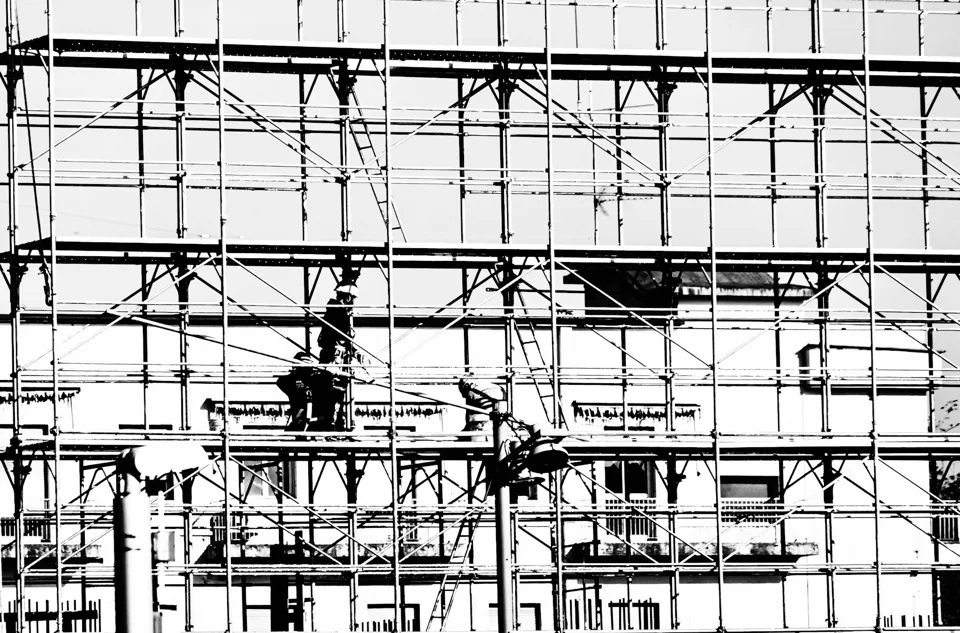
Process-plant scaffolding may be erected around live piping, inside vessels or across several work fronts during a turnaround. Describe the structure, intended users, loading assumptions and period of use. A scaffold contractor that designs, erects and inspects a system has a different responsibility from a rental company supplying components or a trade using a scaffold built by another party.
OSHA provides scaffold requirements for construction activities, but the applicable employment standard and site conditions need competent review. An insurance certificate does not verify structural suitability or authorize a particular loading arrangement. The site’s access plan should identify who can approve modifications and when the scaffold is taken out of service.
Evaluate the consequences beyond a fall
A dropped component can damage an instrument line or operating equipment; a misplaced support can interfere with inspection access or emergency movement. Consider an illustrative collapse that injures workers from several employers and damages process equipment. The same event can involve general liability, workers’ compensation, property damage and contractual indemnity questions.
Review employer relationships, additional insured requirements and waiver requests against the actual agreements and endorsements. Ask how the policies address work at height, scaffolding operations and customer property. If engineered designs are supplied, evaluate professional liability separately. Do not assume a project wrap-up automatically includes every scaffold subcontractor or every location where components are stored and assembled.
Control changes during the shutdown
Temporary structures often remain in place while the trades using them change. A later crew may want additional platforms, sheeting or lifting attachments. The contract should explain approval, inspection and handover procedures so that an informal field request does not become an undocumented design obligation. Weather protection or enclosure can also change loading considerations.
Keep erection, modification and inspection records linked to the specific scaffold. From an insurance perspective, these records help distinguish an original defect from an unauthorized alteration or misuse. Address responsibility for damage caused during dismantling, when surrounding equipment may have returned to service even though access structures are still being removed.
Prepare a submission around real deployment
Provide maximum heights, typical configurations, design arrangements, component ownership, rental contracts, storage yards and transport exposures. Describe the percentage of work at refineries, chemical plants, power facilities and other high-hazard sites. Include subcontractor use and examples of the most demanding shutdown contracts rather than relying on a general construction description.
Review rented-equipment valuation, missing component claims, transit and off-site operations alongside liability. Establish who reports an incident when the scaffold contractor is no longer on site but the structure remains in use. A documented off-hire inspection and release process can help distinguish ordinary wear, missing equipment, damage to the structure and allegations about the completed work.
Operational exposures & coverage review
These review points are educational interpretation, not promises of insurance coverage.
| Exposure | Insurance review |
|---|---|
| Multiple trades using access | Identify authorized users and inspection responsibility. |
| Process equipment damage | Review operational-site liability and exclusions. |
| Unapproved alterations | Retain modification and handover records. |
Questions for your next review
- Who may authorize scaffold changes?
- Are all locations and users within the insurance description?
- When does responsibility end after dismantling or off-hire?
Related Montridge webinars
Subcontractor program verification before plant access.

EPC, contracts and commercial coverage
Subcontractor Insurance Checklist for Contractors and Business Owners
Clicking Load video connects to YouTube. No player loads automatically.
Watch on YouTube ↗Connect this topic to your program
Bring the operational details above into a coordinated review of your contracts, loss history and actual policy wording. Explore Montridge industrial service company insurance services for the related brokerage service.
Related specialty resource: Montridge Construction Insurance Resource Center. Related construction delivery, contractor and contractual risk resources.
Source references
Primary-source background informs the technical discussion. Insurance review questions are educational interpretation; a source link does not establish coverage or certify compliance.
OSHA construction scaffold guidance covers access, use and other technical requirements.
Scope: United States federal guidance · Source reviewed 2026-11-01
U.S. OSHA process-safety requirements have defined applicability and include contractor, change-management and pre-startup provisions.
Scope: United States federal guidance · Source reviewed 2026-11-01
Prepared November 1, 2026. Confirm current requirements and their application to your work before relying on them. Specific insurance outcomes require review of the complete policy and endorsements.