
FOR Pipeline construction firms, civil contractors, and project managers
Describe the construction scope and surroundings
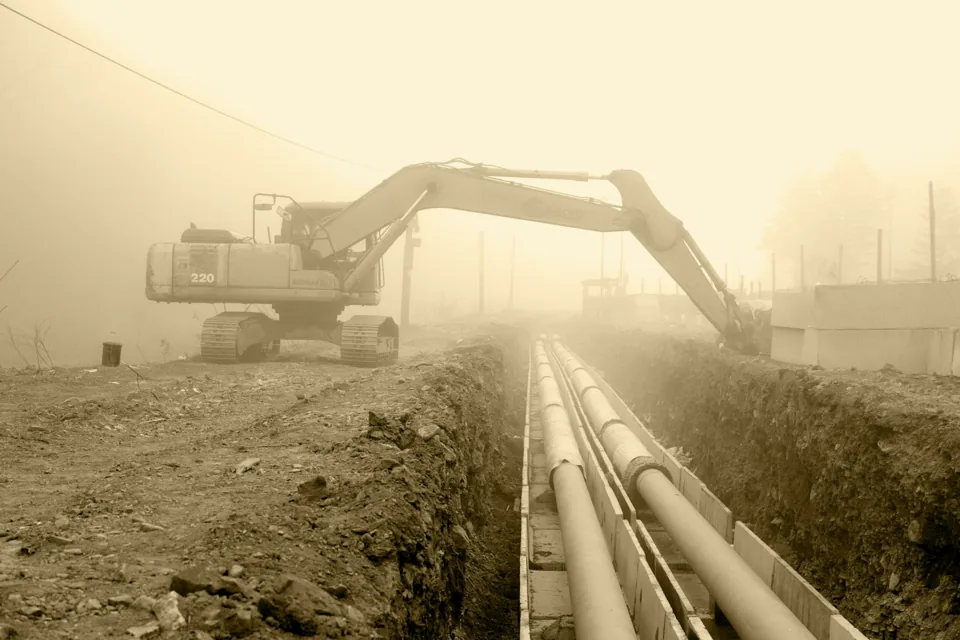
Pipeline construction may involve clearing, excavation, welding, coating, lowering-in, crossings, testing, and restoration. Identify each activity performed directly and by subcontractors. Explain whether the project is new installation, replacement, or work near an operating system, since the consequences of damage can differ substantially.
Provide route information, project values, contract structure, and major equipment. Identify work near waterways, roads, railways, or existing utilities. The insurance review should follow the actual work and surrounding exposures rather than assuming a general underground-contractor classification describes every project condition.
Review existing property and pollution exposure
Damage to an existing pipeline or utility can create repair costs, third-party claims, cleanup, and interruption. Review liability and pollution provisions separately, including any restrictions on underground work, property being worked on, or particular operations. A certificate showing a liability limit does not explain those boundaries.
Identify contaminated soil, handling of excavated material, and restoration responsibilities in the contract. Ask counsel to evaluate assumed environmental obligations and the broker to assess the relevant terms. Do not assume all cleanup is covered or that project insurance automatically includes historical contamination discovered during construction.
Coordinate testing, installation, and equipment
Determine who insures pipe, valves, materials, and work in progress while in transit, storage, installation, and testing. Review the owner’s project policy where applicable and confirm the contractor’s status. Identify rented equipment, trenching machinery, and specialist crossing or drilling equipment separately.
Testing and commissioning may introduce conditions different from ordinary construction. Ask how hydrostatic or other planned tests are treated and when the completed section is accepted. Insurance clarification should be obtained before the test, while engineering procedures, safety controls, and compliance decisions remain with qualified personnel responsible for the work.
Use contracts and project records to reduce ambiguity
Prepare the construction agreement, insurance specifications, route description, subcontractor list, equipment schedule, values, and loss history. Explain utility-location practices, change management, and documentation of completed work. Distinguish existing procedures from improvements that are still planned.
Ask counsel to review indemnity, restoration duties, and delay obligations. Ask the broker to compare these with primary and excess terms and identify retained exposures. Review changes in route, crossing method, project value, or operating-system interaction before proceeding. A change order can alter the risk even when the project name remains the same.
Where a specialist subcontractor performs a crossing or trenchless operation, review the scope and insurance separately from the mainline work. Identify who supplies design information, selects the method, and assumes responsibility for damage to surrounding property. The prime contractor should understand any retained obligation instead of assuming the specialist’s certificate transfers every consequence of the subcontracted activity.
Questions for your next review
- Is the work near an operating line or other buried infrastructure?
- Who insures materials through testing and acceptance?
- How are contaminated soil and restoration obligations addressed?
Related Montridge webinars
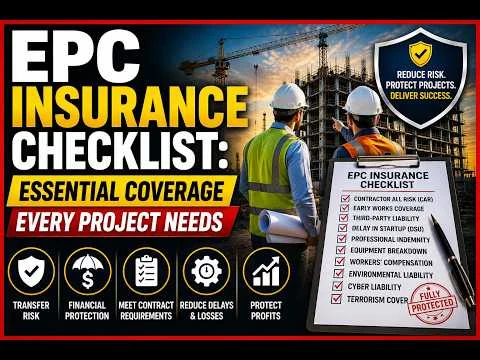
EPC, contracts and commercial coverage
EPC Insurance Checklist: Essential Coverage Every Project Needs
Clicking Load video connects to YouTube. No player loads automatically.
Watch on YouTube ↗Connect this topic to your program
Bring the operational details above into a coordinated review of your contracts, loss history and actual policy wording. Explore Montridge EPC insurance services for the related brokerage service.
Source references
Primary-source background informs the technical discussion. Insurance review questions are educational interpretation; a source link does not establish coverage or certify compliance.
Prepared November 1, 2026. Confirm current requirements and their application to your work before relying on them. Specific insurance outcomes require review of the complete policy and endorsements.